
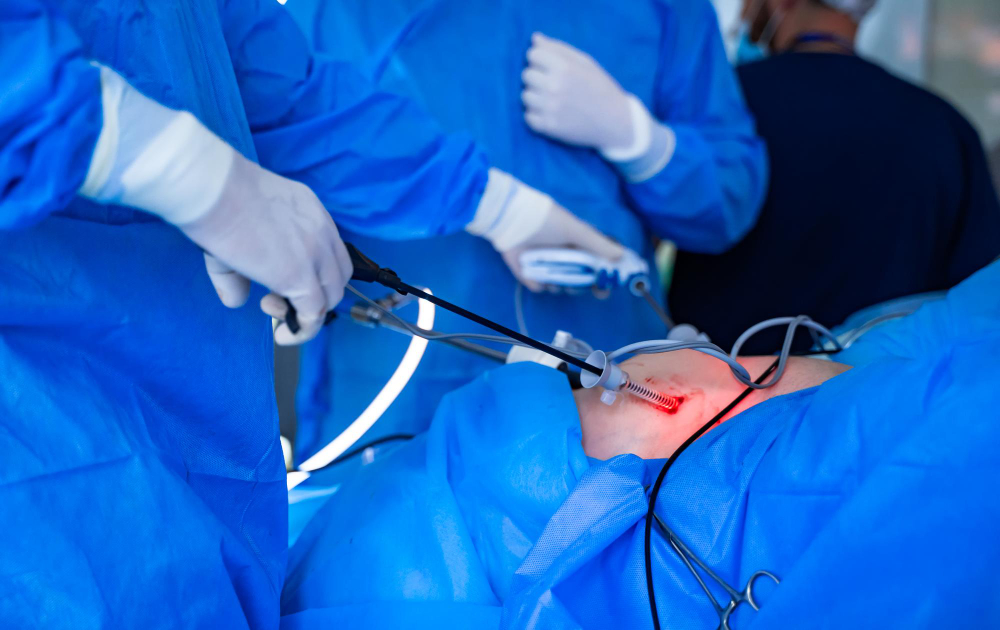
What Is a Laparoscopic Appendectomy?
A laparoscopic appendectomy is a minimally invasive appendix removal procedure. Doctors use small cuts and a camera to remove the appendix. Because of this, recovery is often faster than with open surgery. Many people choose this method for its quick healing and less pain. The primary keyword, laparoscopic appendectomy, refers to this modern surgical approach.
Symptoms Leading to the Procedure
Appendicitis is the main reason for needing a laparoscopic appendectomy. Usually, the appendix becomes swollen or infected. Common symptoms include:
However, not everyone has all these symptoms. If you notice these signs, you should seek medical help quickly.
Causes of Appendicitis
Appendicitis happens when the appendix gets blocked. For example, stool, mucus, or infection can cause this blockage. As a result, bacteria grow inside the appendix. This leads to swelling and pain. Sometimes, the cause is not clear. But, quick treatment is important to prevent serious problems.
Diagnosis Process
Doctors use several steps to diagnose appendicitis. First, they ask about your symptoms and check your belly. Next, they may order tests such as:
With these tests, doctors can decide if a laparoscopic appendectomy is needed.
Step-by-Step Overview of the Laparoscopic Appendectomy Procedure
During a laparoscopic appendectomy, the surgeon follows these steps:
This minimally invasive appendix surgery usually takes about one hour. Because the cuts are small, healing is often quicker.
Benefits and Risks of Laparoscopic Surgery
Laparoscopic appendectomy offers many benefits. For instance, you may have:
However, like any surgery, there are some risks. These may include:
Although these risks are rare, it is important to discuss them with your doctor.
Laparoscopic Appendectomy Recovery Timeline and Tips
Recovery from a laparoscopic appendectomy is usually smooth. Most people go home the same day or the next. Here is what you can expect:
To help your recovery, you can:
If you notice redness, swelling, or fever, contact your doctor right away. These could be signs of infection.
Prevention and Lifestyle Guidance
There is no sure way to prevent appendicitis. However, eating a diet high in fiber may help. For example, fruits, vegetables, and whole grains support gut health. Staying active and drinking water are also good habits. While these steps may not fully prevent appendicitis, they can support overall health.
When to Consult a Doctor
If you have sudden belly pain, especially in the lower right side, see a doctor quickly. Other warning signs include:
Early treatment can prevent serious problems. Therefore, do not wait if you feel unwell.
Conclusion
Laparoscopic appendectomy is a safe and effective way to remove the appendix. Because it is minimally invasive, recovery is often quick. However, every person is different. Consult a healthcare professional at Gunaseelam Clinic and Day Care Centre for personalized advice on laparoscopic appendectomy.