
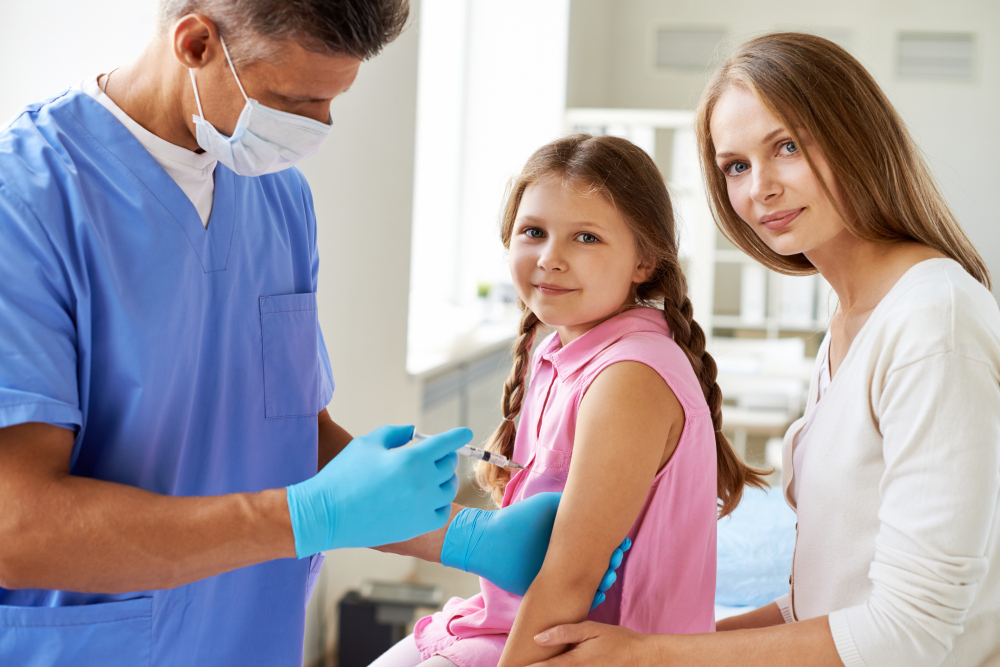
What Are Childhood Vaccinations?
Vaccinations in children are special shots that help protect kids from serious diseases. These vaccines teach the body to fight germs before they can cause illness. For example, vaccines can prevent diseases like measles, mumps, and polio. Most vaccines are given as injections, but some are drops or sprays. Because vaccines are made from tiny parts of germs, they cannot cause the disease itself. Instead, they help the body build strong defenses.
Why Are Vaccinations Important for Children?
Vaccines are very important for children’s health. First, they protect kids from dangerous diseases that can cause lasting harm. In addition, vaccines help stop the spread of illness in the community. When most children get vaccinated, it is harder for diseases to spread. This is called herd immunity. As a result, even babies and people who cannot get vaccines are safer. According to the World Health Organization (WHO), vaccines save millions of lives each year. Therefore, keeping up with your child’s vaccines is one of the best ways to keep them healthy.
Recommended Vaccination Schedule for Children
Doctors follow a set plan called the childhood vaccination schedule. This schedule tells parents when their child should get each vaccine. The Centers for Disease Control and Prevention (CDC) and WHO update these schedules often. Following the schedule helps protect children at the right ages. Here are some common vaccines and when they are given:
However, your child’s doctor may adjust the schedule for special needs. Always check with your pediatrician for the latest advice.
Common Myths and Facts About Vaccines
Many parents have questions about vaccines. Sometimes, myths can cause worry. Let’s look at some common myths and the facts:
Therefore, it is important to trust reliable sources like the CDC and WHO for vaccine information.
Safety and Side Effects of Childhood Vaccines
Many parents ask, “Are vaccines safe for kids?” The answer is yes. Vaccines go through many tests before doctors use them. After approval, experts keep checking their safety. Most side effects are mild and go away quickly. For example, a child may have a sore arm, mild fever, or redness where the shot was given. Serious side effects are very rare. If you notice anything unusual, contact your doctor right away. Overall, the benefits of immunization in children far outweigh the small risks.
Tips for Parents on Preparing Children for Vaccinations
Preparing your child for vaccines can make the visit easier. Here are some helpful tips:
With these steps, children often feel less scared and recover faster.
Prevention and Community Benefits
Vaccinations in children do more than protect one child. They help keep the whole community safe. When most people are vaccinated, diseases cannot spread easily. This protects babies, older adults, and people with weak immune systems. In addition, vaccines can help stop outbreaks before they start. As a result, everyone benefits when children stay up to date with their shots.
Conclusion: Protect Your Child’s Health
In summary, vaccinations in children are safe, important, and protect against serious diseases. They also help keep families and communities healthy. For the best advice, consult your pediatrician at Gunaseelam Clinic and Day Care Centre for personalized vaccination advice for your child.